May 28, 2026
DIY projects can often seem appealing due to the potential cost savings and the personal satisfaction of completing a task with your own hands. However, when it comes to roof replacements, the risks and pitfalls significantly outweigh these benefits. Let's explore why, despite the temptation, you should refrain from attempting DIY roof replacements and instead rely on professional expertise.
The Complexity of Roofing Systems
Understanding Structural Integrity
Roofs aren't merely cosmetic structures; they contribute significantly to the structural integrity of a building. A well-constructed roof ensures that the weight and force from natural elements like wind and rain are properly distributed and absorbed by the building. Poorly installed roofs can lead to uneven weight distribution, potentially causing structural failures that compromise the safety of the entire building. Understanding the architectural demands and supporting frameworks of roofing is crucial, but this knowledge is often absent in DIY enthusiasts. The lack of professional assessment and expertise can lead to critical oversights, threatening the very integrity of your home.
Variations in Roofing Materials
Roofing materials vary widely, each with unique properties, benefits, and installation methods. From traditional asphalt shingles to more advanced materials like metal, every material demands specific expertise. DIY installers may inadvertently choose the wrong type of material for their region's climate or for their home's design, leading to premature wear or inefficiency. Additionally, incorrect installation can void product warranties or reduce the material's lifespan, ultimately increasing costs. Navigating these material-specific intricacies usually requires the guidance and experience of a professional roofer, ensuring quality installation and durability.
The Role of Underlayment and Insulation
Underlayment and insulation are crucial components of roof replacements, providing an additional layer of protection and enhancing energy efficiency. These elements help manage temperature fluctuations within a home and protect against leaks and moisture damage. DIY installers often underestimate the importance of these components, leading to poor thermal performance and increased energy costs. Incorrect or inadequate installation of underlayment can lead to leaks and water damage, often not visible until significant damage has occurred. Professionals understand these requirements and can ensure that all roofing components work harmoniously to provide optimal protection and efficiency.
Drainage and Ventilation Considerations
Proper drainage and ventilation are essential components that prevent mold growth, water damage, and excessive heat build-up in attics. Inadequate attention to these factors can result in severe consequences, such as ice damming or structural rot. DIY installers may not fully grasp the importance of installing proper vents or ensuring drainage systems are unobstructed and functional. Professionals are trained to assess the ventilation and drainage needs specific to each roof, tailoring solutions that prevent long-term damage. Without expertise in these areas, homeowners risk significant structural and environmental issues within their home.
Adapting to Roof Design Variations
Roof designs vary greatly, ranging from simple sloped designs to complex, architecturally unique structures. Each design has distinct requirements for installation, ventilation, and weatherproofing. DIY enthusiasts might not have the skills or tools necessary to adapt to these design variations successfully during roof replacements. Poor adaptation can lead to leaks, structural inconsistencies, and inefficient weatherproofing. Professionals are equipped with the knowledge and experience to tackle any design challenges effectively, ensuring the roof enhances both the aesthetic and functional value of the property.
Safety Concerns and Risks
Working at Heights
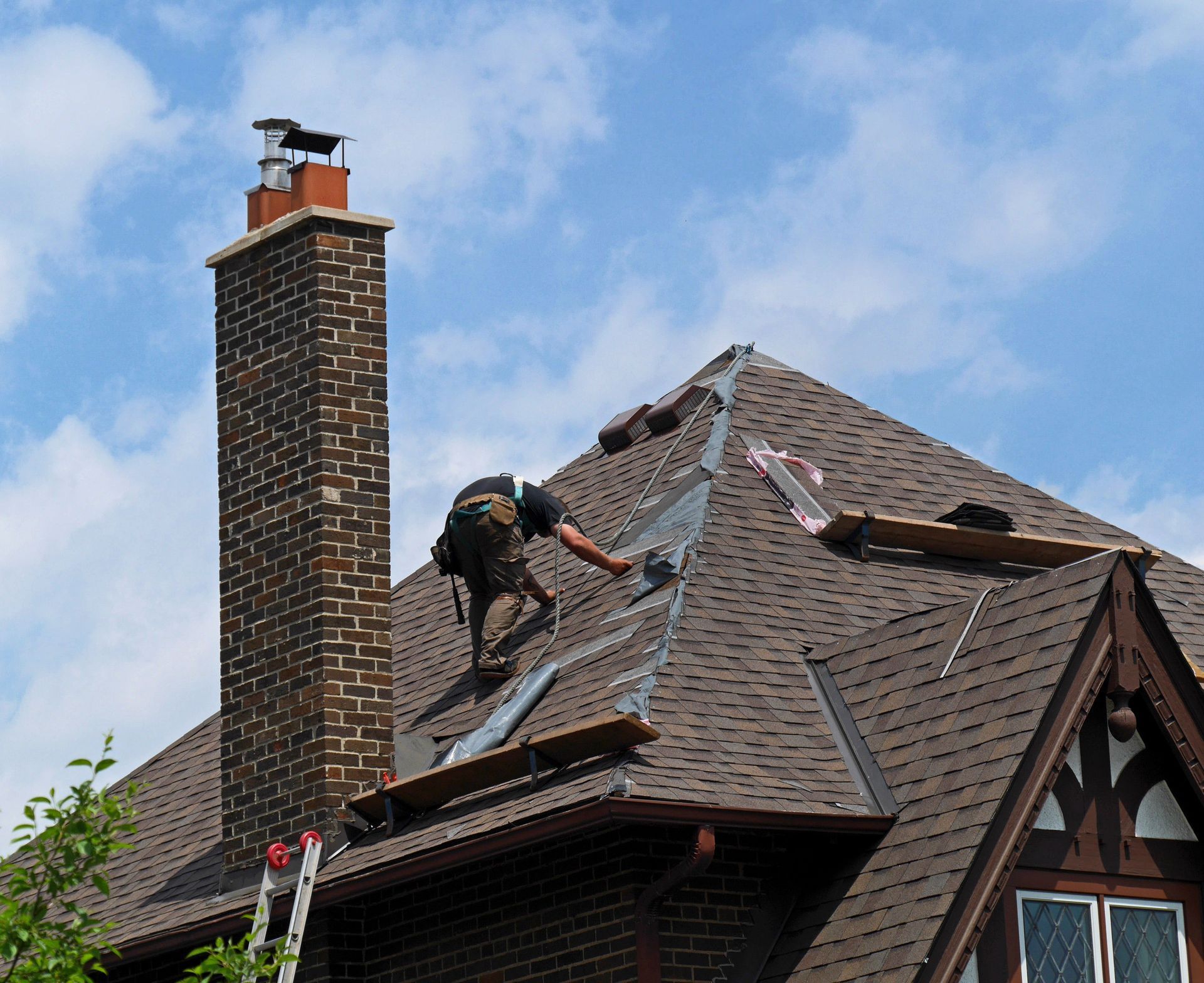
The dangers of working at heights cannot be overstated, especially for individuals without proper training and equipment. Professional roofers are trained in injury prevention and are familiar with using harnesses, scaffolding, and ladders safely. A momentary loss of balance or a misstep could result in severe injury or even death for an inexperienced DIYer. Additionally, emergency situations are more challenging without training, putting oneself and others at risk. The inherent dangers of working at height underscore the importance of entrusting roof replacements to professionals who prioritize safety.
Handling Heavy Materials
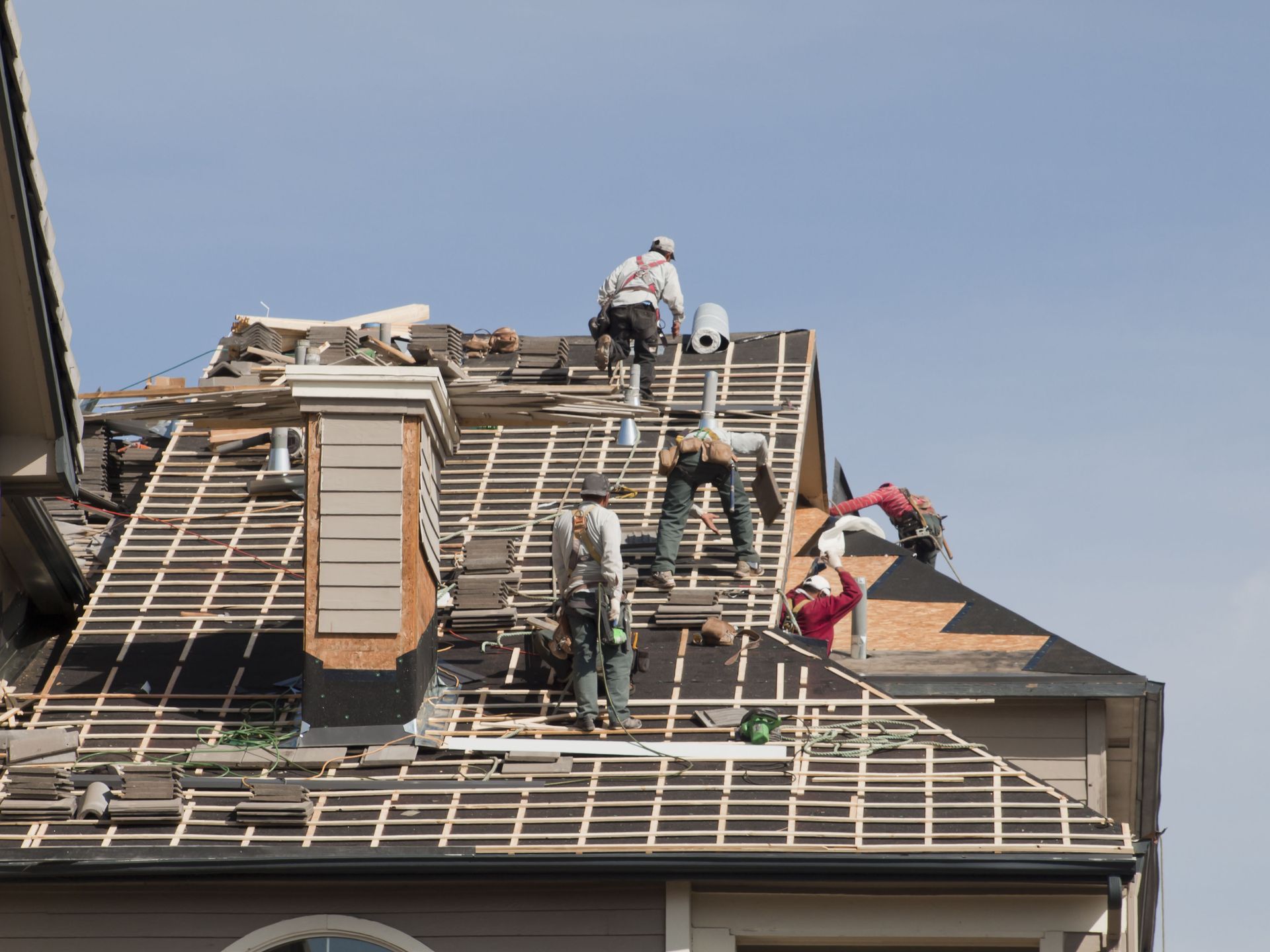
Roof replacement typically involves handling heavy and cumbersome materials, such as shingles, nails, tar, and insulation. Improper handling of these materials can contribute to back injuries, strains, falls, or other mishaps. Professionals have methods and equipment to move these materials efficiently and safely, minimizing strain and injury potential. Moreover, DIY efforts might lack proper teamwork and the coordination needed to manage complex tasks. The risks associated with handling heavy materials highlight the need for professional assistance in roof replacement projects.
Potential for Serious Injury
Roof replacements present numerous hazards, including falls, weather conditions, and accidents involving tools. The absence of professional safety measures and training can elevate the risk of incidents occurring. Statistics consistently show a high incidence rate of injuries for those unfamiliar with roofing safety practices. Additionally, safety risks are exacerbated by weather-related elements such as strong winds or rain, increasing the odds of accidents. The potential for serious injury is significant and a compelling reason to trust complex roofing tasks to experienced professionals.
Lack of Safety Equipment
Proper safety equipment, such as harnesses, protective clothing, and appropriate footwear, is essential when working on roof replacements. DIY enthusiasts often either lack this equipment or underestimate its necessity, increasing the risk of accidents and injury. Without professional-grade equipment, even simple tasks can become dangerous. The cost of acquiring such safety equipment can also diminish the perceived cost savings of a DIY job. Professionals arrive prepared with the necessary safety gear, ensuring the work proceeds smoothly and safely.
Lack of Necessary Skills and Experience
Understanding Roofing Techniques
Effective roofing requires an advanced set of technical skills and knowledge about current roofing techniques. Proper alignment, layering, and sealing are critical skills learned through training and experience, not a weekend workshop. DIY enthusiasts often lack this expertise, leading to improper installation, leaks, and structural failures. This gap in skill can result in a roof that not only fails prematurely but also costs more in future repairs and energy inefficiencies. Professionals bring an understanding of these techniques which ensures a superior quality, long-lasting installation.
Identifying Potential Problems
Roofing experts are trained to identify underlying issues, such as water damage, rot, or structural weaknesses, that may not be apparent to the untrained eye. Addressing these problems early can save time and prevent costly repairs down the line. Without experience, DIY installers might ignore these signs or misdiagnose issues, allowing them to worsen over time. Furthermore, a lack of experience means critical problems such as misaligned shingles or improper nails might go unnoticed. The skilled eye of a professional can catch these before they translate to larger-scale problems.
Proper Tool Usage
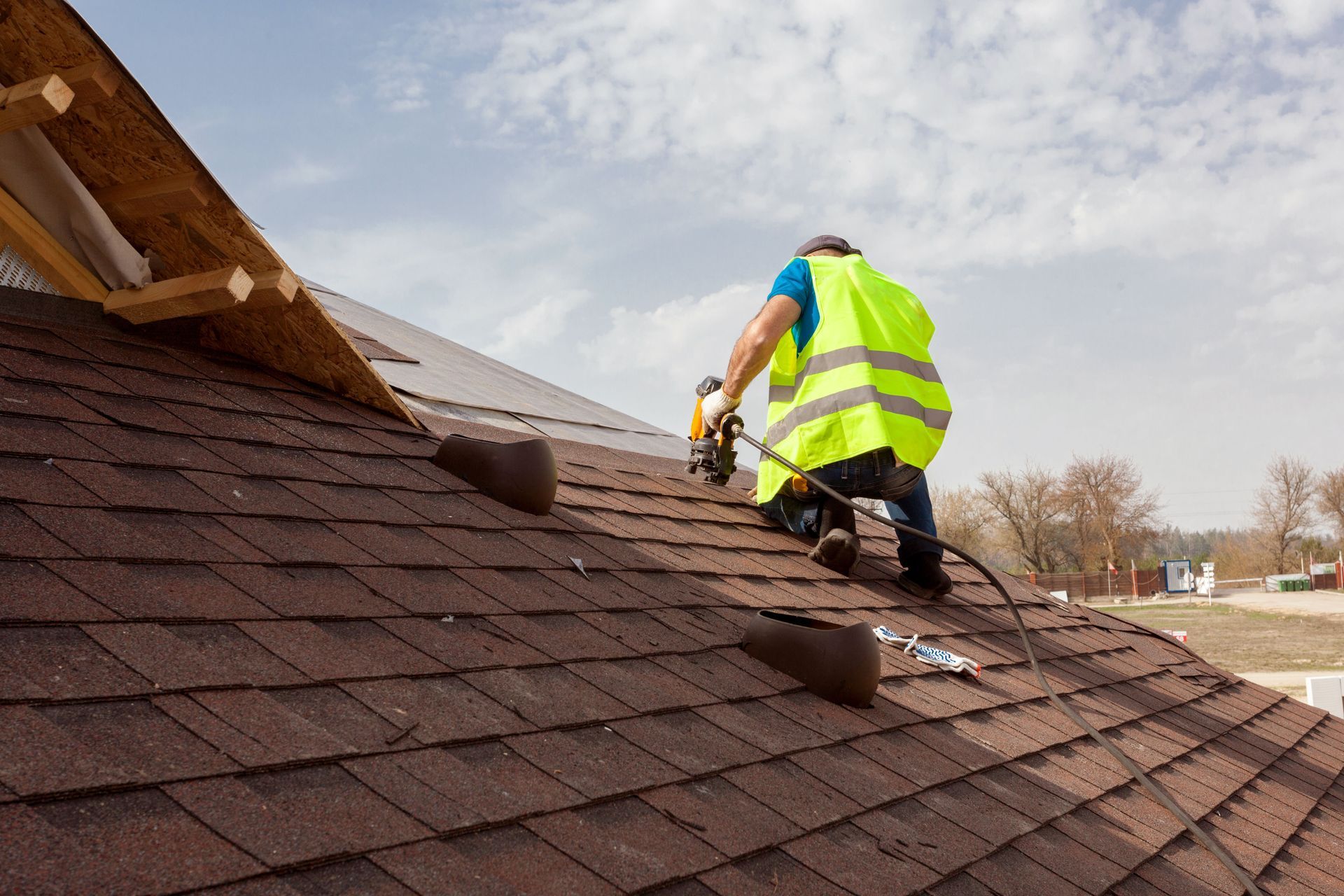
Roofing projects require specialized tools like cutting tools and sealants, each requiring specific handling techniques. DIY enthusiasts may lack the familiarity or skill needed to use these tools safely and effectively. Improper tool usage can lead to installation errors or even personal injury. Professionals are not only knowledgeable about the optimal use of these tools but also maintain the equipment frequently, reducing the risk of malfunction. The precision and safety afforded by professional tool use cannot be understated.
Ensuring Long-term Durability
Professional roofers leverage their experience to ensure the durability and longevity of roof replacements. Adhering to the best practices during installation maximizes a roof's lifespan and performance against climatic challenges. Conversely, DIY approaches may result in short-lived repairs, ultimately increasing costs over time due to frequent replacements or additional repairs. According to BCC Research, 94% of roofing projects in North America are roof replacements, underscoring the complexity and need for expertise in such projects. Homeowners opting for professional installations benefit from a roof that stands the test of time.
DIY roof replacements, alluring as they may seem, carry numerous hidden risks and challenges that often turn the effort into a costly mistake. From safety hazards to lack of technical expertise, the endeavor frequently results in unforeseen expenses, serious injuries, or durability issues. As such, the discipline and precision offered by the experienced professionals at M&D Roofing and Renovations become indispensable when undertaking such critical home improvement projects. Reach out to us today to get started!